

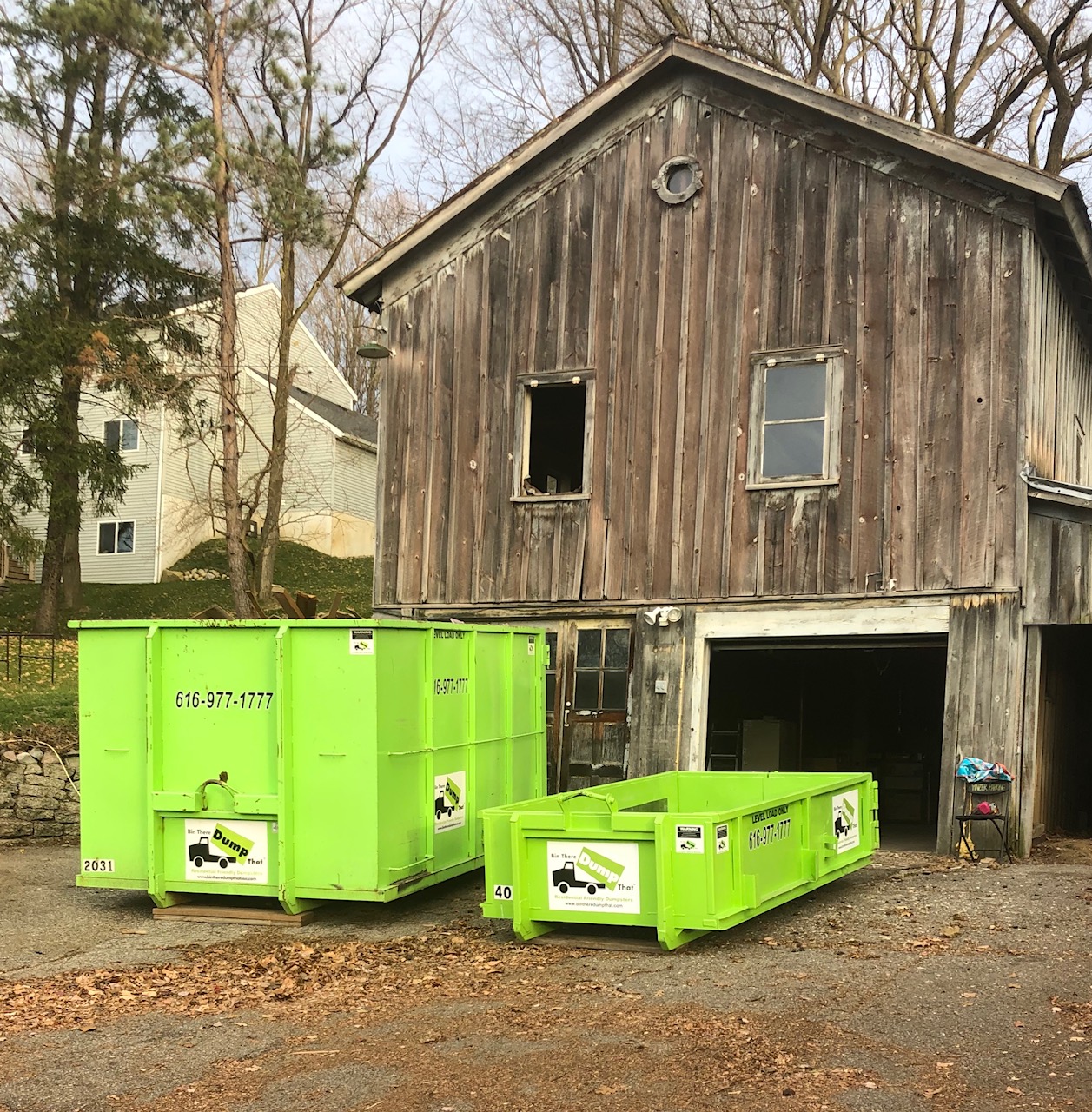
Choosing the Perfect Dumpster Size in Grand Rapids
Let's get right to the point: choosing the appropriate dumpster size in Grand Rapids is not difficult, but making a mistake can cost you money in the form of additional rental fees or having to deal with overflowing waste. The short answer is that a 10-yard or 20-yard dumpster is typically appropriate for the majority of house cleanouts and minor renovations. Commercial or larger projects will probably require a 30- or even 40-yard dumpster. We'll explain how to precisely determine your needs so you don't have to pay for extra space or rush to find another dumpster in the middle of a project. Selecting the right dumpster size involves more than just fitting your trash.It has to do with cost, effectiveness, & headache avoidance. Cost-effective Options. When you have an oversized dumpster, you have to pay for air.
If it's too small, you'll either have to order a second dumpster, which will double your delivery and pickup costs, or you'll overfill it and incur surcharges. Your wallet won't benefit from either. Preventing Fines for Overfilling.
The maximum capacity of your dumpster is governed by regulations set by all reputable Grand Rapids dumpster rental companies. Usually, the waste must be level with the upper rim. They will either refuse to haul it or charge you more if it is stacked high. This is a safety concern for transportation, not a sign of difficulty.
Streamlining the project. Time and gas are consumed by making numerous trips to the dump in your own car. You can dispose of waste as you go with a single, appropriately sized dumpster on site, keeping your project area clear & your work going efficiently.
The amount of material that dumpsters can hold is expressed in cubic yards, which is the unit of measurement. Consider this: a cubic yard is about the same size as a typical washing machine. The 10-Yard Dumpster: Your Weekend Hero. This is ideal for a variety of smaller projects and is the smallest size available from most rental companies.
Perfect for Little Cleanups. A 10-yard space is frequently ideal if you're doing a spring cleaning purge, organizing a garage, or removing outdated furniture from a single room. It can hold two to three tons of waste. Small kitchen or bathroom renovation debris. This size can accommodate removing some tile, a vanity, a toilet, and a set of old cabinets from a tiny bathroom.
It's also a good fit for a small kitchen makeover (cabinets, backsplash, possibly an outdated appliance). Small-scale yard waste initiatives. A 10-yard dumpster can be used to easily remove a small pile of brush, prune a few small trees, or clear an overgrown flower bed.
Just be sure to ask the rental company of your choice about any particular green waste regulations. For many people, the 20-yard dumpster is the ideal location. The 20-yard dumpster, which is frequently regarded as the most adaptable size, effectively balances footprint & capacity. It can accommodate three to four tons & is about the size of a typical parking spot.
Significant estate cleanouts and home decluttering. A 20-yard space is frequently required to clear out a whole house or apartment (not necessarily a huge mansion, but a typical 2-3 bedroom home). It offers ample room for boxes, furniture, and other household trash. Renovation projects of a medium size.
This dumpster size will probably work well for you if you're replacing flooring in multiple rooms, renovating a larger bathroom, or gutting a medium-sized kitchen. Lumber, drywall, and other construction waste can fit inside. Removal of roofing shingles.
A 20-yard dumpster is usually sufficient for a moderate-sized roof (up to 2,000 square feet) with single-layer shingles. Always check weight limits because shingles are surprisingly heavy. For larger jobs, use the 30-yard dumpster.
The 30-yard dumpster comes into play when your project gets serious. It can accommodate four to five tons of material and is frequently found at larger residential or commercial sites. renovations for the entire house. This size is a good option if you're renovating a medium-sized to large-sized home completely, adding an addition, or doing a major makeover.
It manages substantial amounts of debris from demolition. New Construction Rough-Ins. A 30-yard is frequently a good starting point for the early stages of new home construction, when framing materials, large quantities of drywall scraps, and other bulky items are generated. Cleanouts for businesses.
Depending on the amount & kind of waste, emptying out an office building, retail space, or industrial unit frequently calls for this size or more. The 40-Yard Dumpster is a powerful tool. This is the largest dumpster size that is typically offered & is only used for the largest projects.
Depending on the material, it can hold up to 6-8 tons of waste. Massive demolition projects. A 40-yard dumpster is probably what you'll need if you're demolishing a garage, a shed, or even a small house. Significant construction and renovation of commercial buildings. The 40-yard dumpster offers the capacity required to keep things going in large-scale commercial developments, multi-unit residential projects, or extensive industrial cleanouts.
Cleanups of large properties. This is your best option if you're clearing out a very large property with a lot of accumulated trash, overgrown brush, or old buildings. You can choose the ideal dumpster by taking into account a few other important factors in addition to the project type. Kind of garbage. Regardless of the volume of your dumpster, the density of various materials directly affects how much weight it can support.
Sand, concrete, dirt, and asphalt are examples of heavy materials. A special "heavy debris" dumpster is required if your project calls for a lot of concrete, brick, dirt, or asphalt. These are constructed with reinforced sides to manage the enormous weight, but they are frequently smaller (10-yard or 20-yard). It is typically not safe or practical to haul a 40-yard dumpster full of concrete.
If you are loading heavy items, always let the rental company know. Bulky versus. dense materials. Consider the difference between roofing shingles and furniture.
The furniture is heavy but not very heavy. The shingles are heavy and dense. Bulky furniture might fit in a 20-yard dumpster, but the weight limit could easily be exceeded by the same volume of shingles.
Project Length. How long will you need the dumpster on site? This usually has no direct bearing on size, but it may have an effect on your lease. Most businesses provide a typical rental term (e.g. "g.". 7–10 days), with the option to extend for a surcharge. Your property has available space. Larger dumpsters in particular require a significant amount of space.
Driveway Awareness. Make sure the dumpster will fit comfortably by measuring your driveway. Take into account the delivery truck's access as well. To move around and drop the container safely, they require a lot of space.
Permits for Street Placement. You'll probably need a city permit if you want to put the dumpster on a Grand Rapids public street. This usually entails an application process & a fee.
Make sure to check well in advance with the engineering or public works departments of the City of Grand Rapids. The rubber & the road meet here. Here, a little preparation can spare you a great deal of suffering. The Method of "Pile."
Imagine the size of the pile if you have already begun to stack your belongings. Make a comparison with everyday objects. A compact car: about five to seven cubic yards. A typical pickup truck bed is about two to three cubic yards (when filled to the top, not overflowing).
Thus, three to four pickup truck loads can fit in a ten-yard dumpster. A 20-yard dumpster can accommodate six to eight loads. The breakdown of each room.
When cleaning out a house, go through each room and measure the amount of waste, either physically or mentally. Disassembly of furniture. Furniture will take up less space if it can be disassembled. When an old dresser is disassembled, it takes up much less space than when it is thrown in.
Putting small items in boxes. Little things can quickly add up. Calculate how much space your numerous boxes of old items will take up. Always err on the side of being a bit bigger. If in doubt, go up a size.
Renting a slightly larger dumpster is nearly always less expensive than renting a second, smaller one or paying overage fees. For instance, the difference in price between a 20-yard and a 30-yard is typically less than purchasing a brand-new 10-yard. The procedure is quite simple once you have a firm idea of the size you require. Look into local rental businesses. Seek out businesses that operate in or serve the Grand Rapids region.
Examine their reviews and make price comparisons. Pose important questions. Be ready to ask these questions when you call for a quote.
What sizes are available? Verify that they have your approximate size. Which rental periods do you offer? Standard vs.
expanded choices). What does the cost include? (Delivery, pickup, tonnage limit). How much does it cost to go over the weight limit? This is important for heavy materials. Are there any things like paint, chemicals, batteries, tires, etc. that are forbidden?
are often prohibited. If put on the street, do you need permits? (And can they assist with the process?). What cancellation policy do you have? Getting ready for the delivery. Before the dumpster arrives, make sure the designated area is clear.
Make sure the truck and the dumpster drop-off are not hampered by any overhead branches, power lines, or other obstacles. If the dumpster is going to be on your driveway, you might want to lay plywood down first to protect the surface, particularly if it's going to be there for a long time or if it's going to be hot. You should be prepared to select the ideal dumpster size for your upcoming Grand Rapids project with the help of this guide. Just effective waste removal—no more guessing games. .